
What children are telling us about money. And how to build on it in the primary classroom

“Sometimes we talk about money at home. If I want to buy something my dad will say money doesn’t grow on trees.”
– 9 year old pupil
“When I have money I feel happy but I’d rather somebody else use it for a better reason.”
– 10 year old pupil
Children have plenty to say about money. In everyday life, they’re watching how money is used, noticing what things cost, making choices and picking up messages about what money means.
Their ideas can be thoughtful, surprising and sometimes contradictory. They show us what children already understand, what they’re curious about and where there’s more to explore.
So, in our LifeSavers classrooms, financial education often begins with a good question.
Our 5 Big Questions about money are designed to give you simple ways to get children talking and build on what they already know. Read on for five practical examples you can use today!
For more classroom conversation starters, explore our conversation cards for children aged 4–12. Each pack includes three cards, follow-up questions and tips to keep the discussion going.
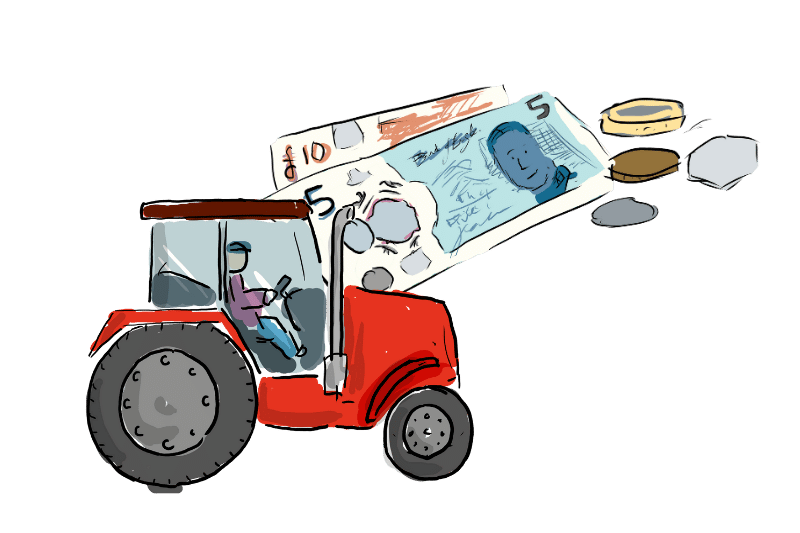
Where does our money come from?
“I get money on my birthday or for doing chores. I get my pocket money in cash.”
– 10 year old pupil
For many children, paying for something might mean watching an adult tap a card, use their phone or click a button online. The purchase is easy to see but the money itself, where it came from and where it goes next, can be much more mysterious. After all, if all you see is a phone, a beep and a bag of shopping, it’s not a bad question to wonder where the money was hiding.
Try it in the classroom: Follow the money
Ask children what they think happens when someone taps their phone to pay. Where was the money before the tap? How did it get there? And where does it go afterwards? You could draw the journey together, adding children’s ideas as you go. Their answers might take you to jobs, banks and bank accounts, or reveal some wonderfully unexpected theories about what’s happening inside that phone.
The point isn’t to catch anyone out. It’s to start with the world children can see and use their questions to explore the bits they can’t.
how does money make us feel?
“I feel good when I have money. When I can’t afford something I want, I feel a bit sad but I’ll save up for it.”
– 9 year old pupil
Money comes with plenty of feelings attached: excitement when we can afford something we’ve been waiting for; disappointment when we can’t; pride in saving; worry about spending; and sometimes several of those feelings can turn up at once. That matters because money decisions aren’t made by calculators alone.
Try it in the classroom: Feelings first
Introduce a fictional character: Milo has carefully saved £20 for something they really want, but their friends have decided to spend their money on something else together. Before asking “What should Milo do?”, ask “How might Milo be feeling?”
Children might say proud, excited, worried about missing out, tempted, or all four. From there, you can explore how those feelings might influence Milo’s decision and why different people might choose differently. Using a fictional character keeps the conversation safely one step removed from children’s own circumstances, while still giving them plenty to think about.
what can we use our money for?
“I’m saving for an iPad because I share with my sisters and we take turns.”
– Year 6 pupil
Spend it. Save it. Give it away. Keep it for later. Ask a group of children what they would do with the same amount of money and you’re unlikely to get the same answer from everyone. That’s where things get interesting, because money choices aren’t just about knowing what the options are. They’re also about what matters to us.
Try it in the classroom:The £10 question
Give everyone an imaginary £10 and a few possibilities: spend it now, save towards something bigger, give some away, or split it between different things.
Then ask the important bit: why? What mattered most when they made their choice? What did they have to give up? Would their answer change if they had £100, or if they knew another £10 was coming next week?
There’s no need to steer everyone towards the same answer. Comparing their reasons helps children explore priorities and trade-offs, and discover why a perfectly sensible money choice for one person might look different for someone else.

How does our money help other people?
“With £5 I would save it in my piggy bank for when you need to buy presents for people or you could buy things to donate to charity.”
– Year 3 pupil
A lot of children often begin by thinking about what money can do for them: buy something, save for something, pay for something they need. But money doesn’t stop moving once we spend it. That opens up a much bigger conversation about businesses, jobs, communities, giving and the connections between the choices we make and other people.
Try it in the classroom: Where does it go next?
Start with a familiar purchase, perhaps a loaf of bread, and ask children who might benefit when we buy it. There’s the shop and the people who work there. What about the people who made the bread? The people who transported it? Where else might the money go?
Then change the example. What happens if we buy from a local business, give money to charity or spend it on a present for someone else? Before long, one imaginary pound can take you on quite a journey. And children can begin to move from asking “What can I do with my money?” to the bigger question: “What can my money do?”
How can we look after our money?

“My role in the savings club is encouraging kids to come and save money and greeting them and making them feel safe like they can trust us with the money and they don’t have to keep it to themselves. Because if they kept it to themselves they might misplace it and lose it and you might get really worried with that.”
– Year 5 pupil and LifeSavers Banker
What does “keeping money safe” look like to a child? A money box? A bank account? A password? A very good hiding place? Their answers can reveal how differently children encounter money, particularly now that keeping it safe might mean protecting something they can’t physically hold.
Try it in the classroom: Spot the clues
Show children a fictional message: CONGRATULATIONS! You’ve won £100! Click here now and enter your details to claim your prize.
What makes them suspicious? Which clues would they look for? What should the person receiving it do next? Then make the decision a little trickier. What if the message appeared to come from someone they knew? What if the prize was something they really wanted? What if they only had 60 seconds to claim it?
Rather than simply remembering a list of rules, children can practise using what they know, asking questions and recognising when it’s time to stop and ask for help.
ask. listen. build from there.
The five activities above are all different, but the idea behind them is the same: find out what children think before rushing to give them the answer.
One of the most useful follow-up questions can be simply: “What makes you think that?” It might uncover something they’ve seen at home, heard from a friend, picked up online or worked out for themselves. It might reveal a question you hadn’t thought to ask. And sometimes it might take the conversation somewhere completely unexpected.
Children’s experiences of money won’t all be the same, of course. Some get pocket money, others don’t. Some families talk openly about money, others may not. What feels like an everyday purchase to one family could be a significant expense to another. Children don’t need to share their family’s finances to have meaningful conversations about money. Fictional characters, imaginary budgets and familiar scenarios give everyone room to explore, question and disagree without putting anyone’s personal circumstances under the spotlight.
Financial education doesn’t have to begin with everything we want children to know. It can begin with what they already know, notice, feel and wonder about.
Ask. Listen. Then build from there.
ready to take the conversation further?
You don’t have to come up with all the questions yourself. Our LifeSavers financial education programme gives primary schools practical resources and support to help children explore money through real-life questions, conversations and activities.
Whether you’re looking for a simple way to start talking about money or want to build financial education across your school, you’ll find resources designed to help you get started.