
What should financial education in primary schools help children achieve?
The way children use money will change as they grow up. New products will appear, technology will develop and the way we pay, borrow, save and spend will continue to evolve.
A good financial education gives children something they can carry into that future: an understanding of how money works, experience of making choices and the confidence to put what they know into practice.
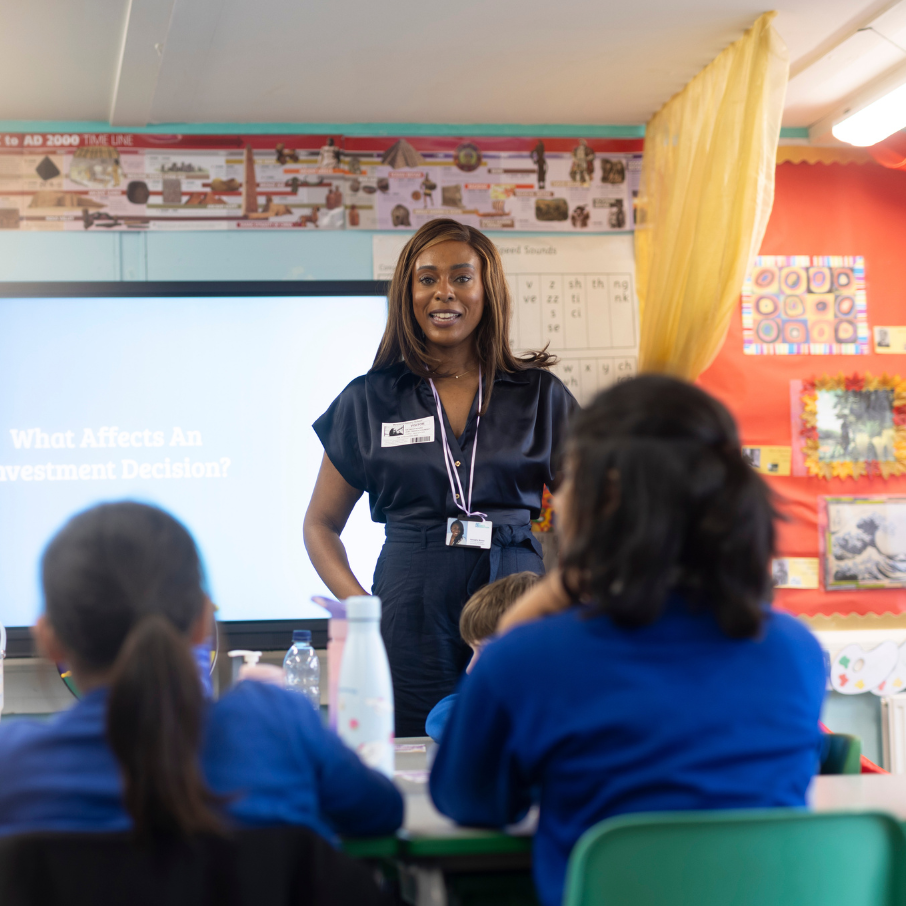
At Just Finance Foundation (JFF), our view has been shaped by years of working with primary schools. We want children to understand money, and to be able to use that understanding when they are faced with a choice. That involves weighing up their options, thinking about what might influence them and considering what matters to them.
We call this Think, Feel and Do. It shapes what we teach through our LifeSavers financial education programme and how we measure the difference that learning can make.
what should Financial education outcomes measure?
Take a budgeting lesson. Children can learn what a budget is, how much money is available and how to make the numbers add up. Some of the richest learning comes when they start deciding what to do with they money they have.
What matters most to them? What could they live without? Is it worth spending more on one thing if it leaves less for something else? And why has their friend, working with the same amount, made a completely different choice?
These are useful conversations because money decisions involve more than numbers and sums, and children bring their own priorities, experiences and feelings to them.
We see this across the financial education we deliver with LifeSavers: learning about needs and wants can become a conversation about priorities; saving can open up questions about goals and whether to spend now or wait for something later; a simple money choice can reveal that children value different things and have different experiences of money.
Learning how to think through those decisions is an important financial skill in its own right. That's why our outcomes go beyond what children know.
Think, Feel, Do: our approach to financial education
At JFF, we look at financial education through three connected areas.
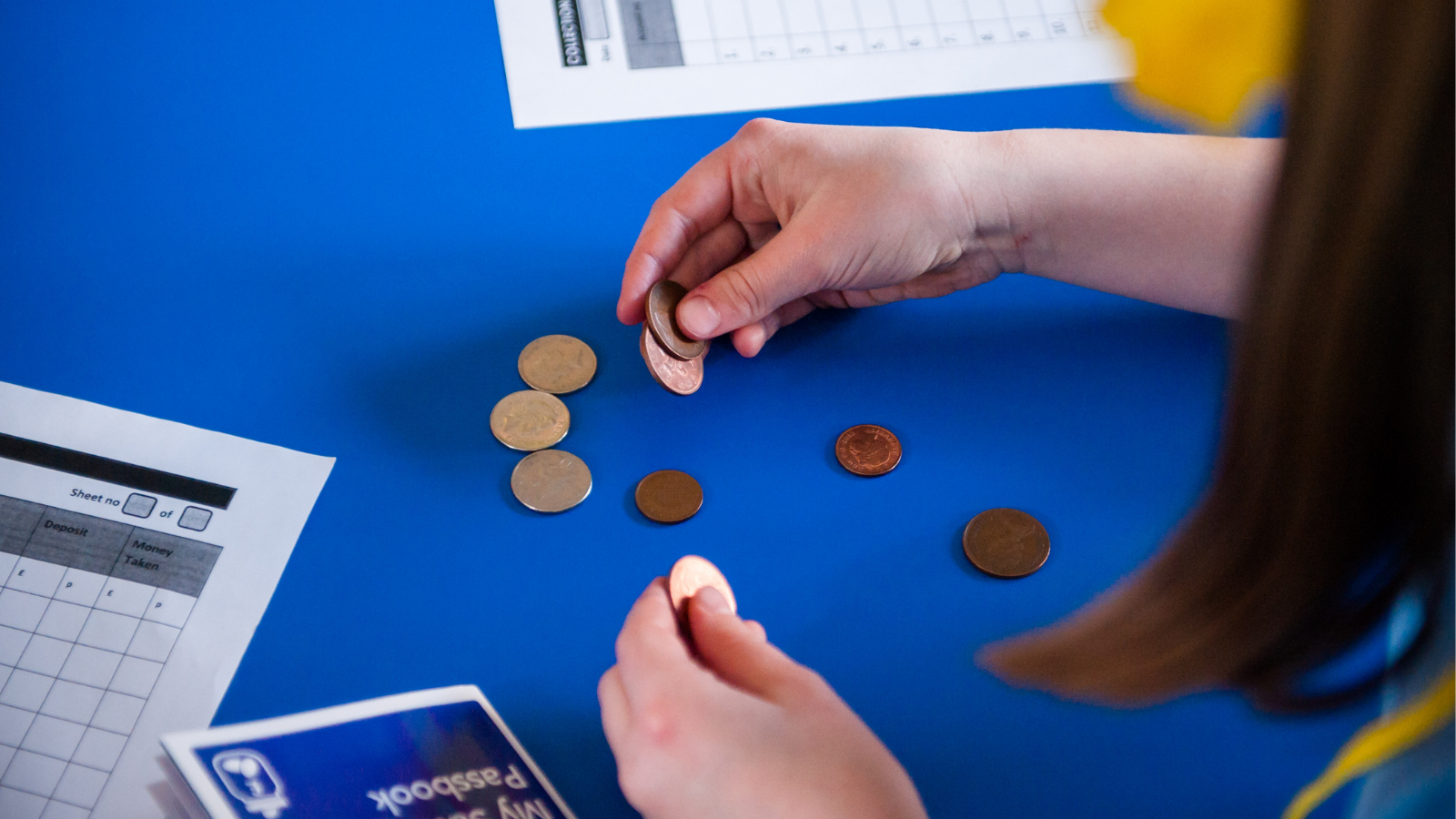
Think covers the knowledge and skills children need to understand money and make sense of the options in front of them.
Feel explores the emotions, values, attitudes and aspirations that can shape the way we think about money and the choices we make.
Do is about putting learning into practice and developing the confidence to talk about money and make decisions.
In a classroom, these things naturally overlap. One teacher using LifeSavers described children using their own “thoughts, feelings and experiences about money” and exploring how these might differ from those of their friends and peers. We have also seen children put their learning into practice through school savings clubs, including taking on responsibility themselves as school bankers. Experience like these give children the chance to use what they have learned and become more comfortable talking, thinking and making decisions about money.
Helping children make confident and informed money choices
Real financial choices are rarely as simple as following a rule. Sometimes spending money now is a perfectly reasonable choice. Something one child sees as a want might feel much more important to another. Two people can have the same amount of money, understand the same information and still make different decisions.
Financial education can give children a way to approach those decisions. They can learn to understand the options available, consider the consequences, notice what might be influencing them and work out what matters to them. They can also practise explaining the choices they make. That matters because confidence around money develops through experience as well as knowledge.
Teachers using LifeSavers tell us that financial education is prompting more conversations about money in their schools. Among teachers using our resources with children aged eight and older who responded to our survey, 98% agreed they helped pupils understand the relationship between their personal values and money decisions, and between money and their aspirations and goals.
The future of financial education in England
Asking what financial education should help children achieve feels particularly relevant as England prepares for curriculum change.
What children learn in primary school matters. Strong, age-appropriate foundations in how money works can help them understand concepts such as budgeting and saving, while giving them opportunities to use that knowledge.
A child learning about budgeting can practise making and explaining choices within one. A lesson about saving can connect money to something a child wants in life. Children can explore how feelings, values, advertising, other people and their own experiences might affect a decision.

Teachers are already creating these kinds of learning experiences in classrooms. As financial education develops, they will need the time, confidence and practical support to keep doing so.
The financial world these children are growing up into will be different from the one we know today. We can’t predict every product they will use or every decision they will face.
We can give them a strong foundation in money, opportunities to put their learning into practice and growing confidence in their ability to make choices for themselves.
That’s the financial education we believe in at JFF, and the kind of financial education we want every child to grow up with.

Just Finance Foundation exists to change how children grow up with money.
Every day, children are learning about money - through what they see, hear, and experience - but not all of it builds confidence or choice. By supporting parents, carers, and educators to teach money in ways that are simple, practical, and engaging, we make financial learning part of everyday life. This means children can grow up confident in making choices and equipped with skills that support their wellbeing now and into the future.