
How does money make us feel?
Money brings up powerful emotions. Helping children recognise and talk about those feelings is an important part of building financial confidence.
In this article, Paul Street, former headteacher and financial education expert, explores how money makes us feel and offers practical ideas for starting positive, age-appropriate conversations with children.
There are lots of practical ways we can prepare children for using money … coin recognition, problem solving etc, but how many times have you explored how money makes us all feel with your class?
It’s a great question when you think about it because money brings about so many, sometimes contrasting, emotions. All of us can identify ways money can make us feel.
What can you remember?
Perhaps, first of all, you could think about your earliest memories of money. You will have an early memory yourself which you could share with your children. It might be the first time you remember going to the shops, or saving up for a special thing, or even losing some money. All these memories will instantly spark an emotional memory for you: how that money made you feel in that moment. That will be true for your children too and giving them the opportunity to share, in small groups or with the whole class, what they remember and how it made them feel, will be a wonderful speaking and listening opportunity.
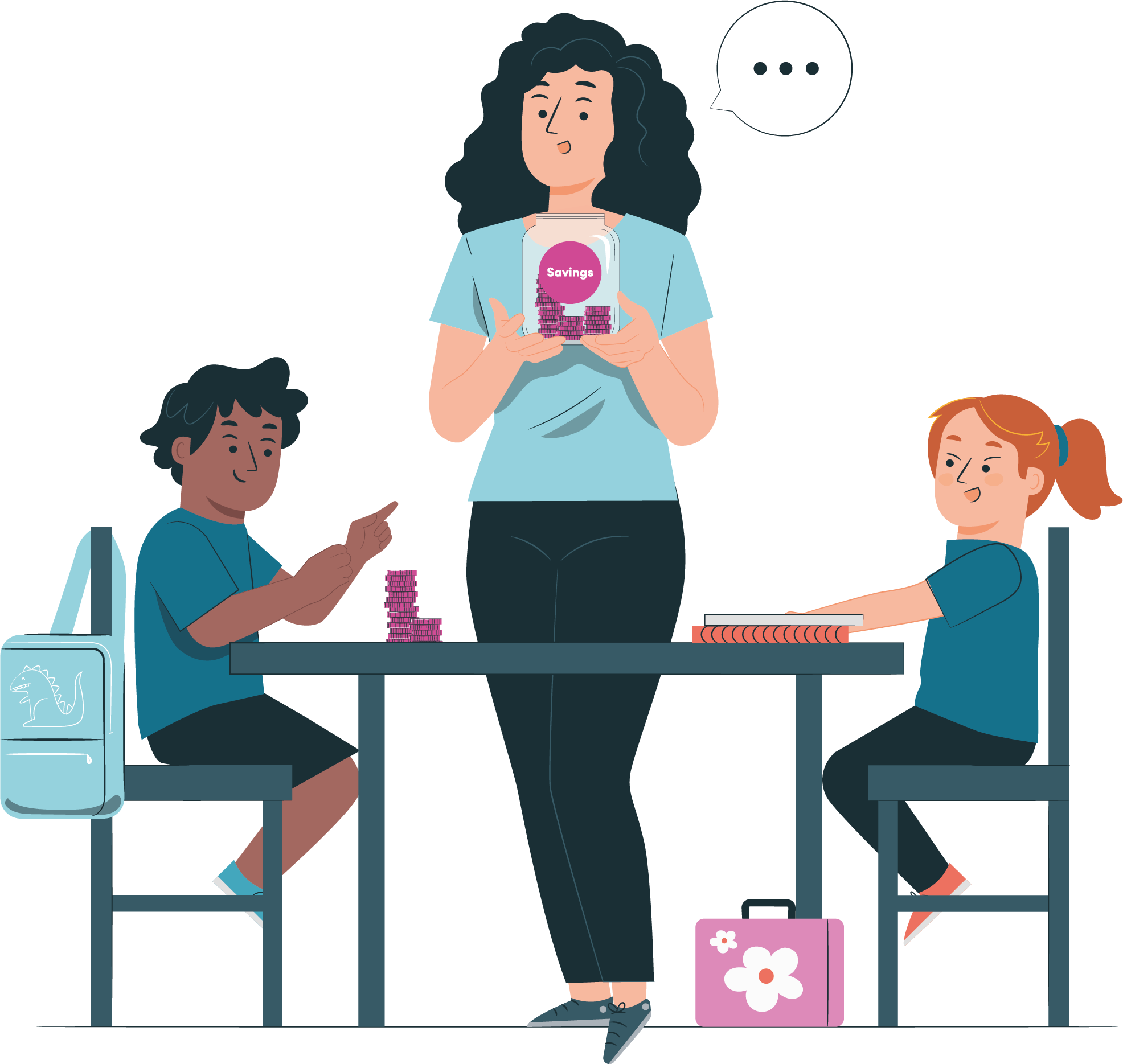
What would you do?
Once children have had the chance to talk about things they have experienced, moving them on to consider things they can imagine will help to deepen their understanding. You could explore how money makes us feel through some real life scenarios. These could be written on some cards for you to pick out at random. Include scenarios such as:
You find a £1 coin on the pavement
You are given £5 as a birthday present
You receive some money as a reward for doing a job for someone in your family
You go to the shops to buy something you would like
You go to the bank to put some money into your savings account
You have a look at your bank account to see how much money you have saved so far
You put some money in your pocket for a treat at the shop, but when you get there it has gone
There are many more you could use. These are all situations which children may have experienced or which they could use their imagination to think about how they would feel. These could be explored through discussion, sharing or through drama/acting out the scenarios. Ultimately, the discussions you will have with the children will be rich and will explore all those many feelings which come from experiencing money.
What does the future hold?
Older children may enjoy the opportunity to consider the future. It would be interesting to spend some time sharing how money impacts on our adult lives. Have the children think about all the aspects of life which involve money in some way and, again, enter into discussions about how those things might make you feel. It would be easy to become focused on negative emotions so ensure the children see both sides. For instance, paying for rent or a mortgage on a house can be a large amount of money and could cause worry, however, being proud of having somewhere to live and call your own can be really rewarding.
Why is this important?
Having conversations where we explore feelings associated with money is really important because it will help children to normalise expressing feelings, understandings, concerns and joys - all important aspects of being able to consider, plan and implement how they will use money as they become older.
Talking about our feelings around money not only helps us to explore the impact on ourselves, but will also give you an opportunity to consolidate learning, identify areas of focus for future lessons and help children to link together learning in their own minds.
Work with us to make financial learning an everyday part of growing up for more children.

Paul Street
Financial Education Delivery Coordinator at the Just Finance Foundation, Paul supports the development of the LifeSavers programme and contributes to in-depth research and case studies with schools to help elevate our work. He brings over 30 years’ experience in primary education as a teacher, local authority mathematics adviser and headteacher, and is passionate about improving children’s life chances through financial education.